 Colorado Avalanche
· 2026-07-09
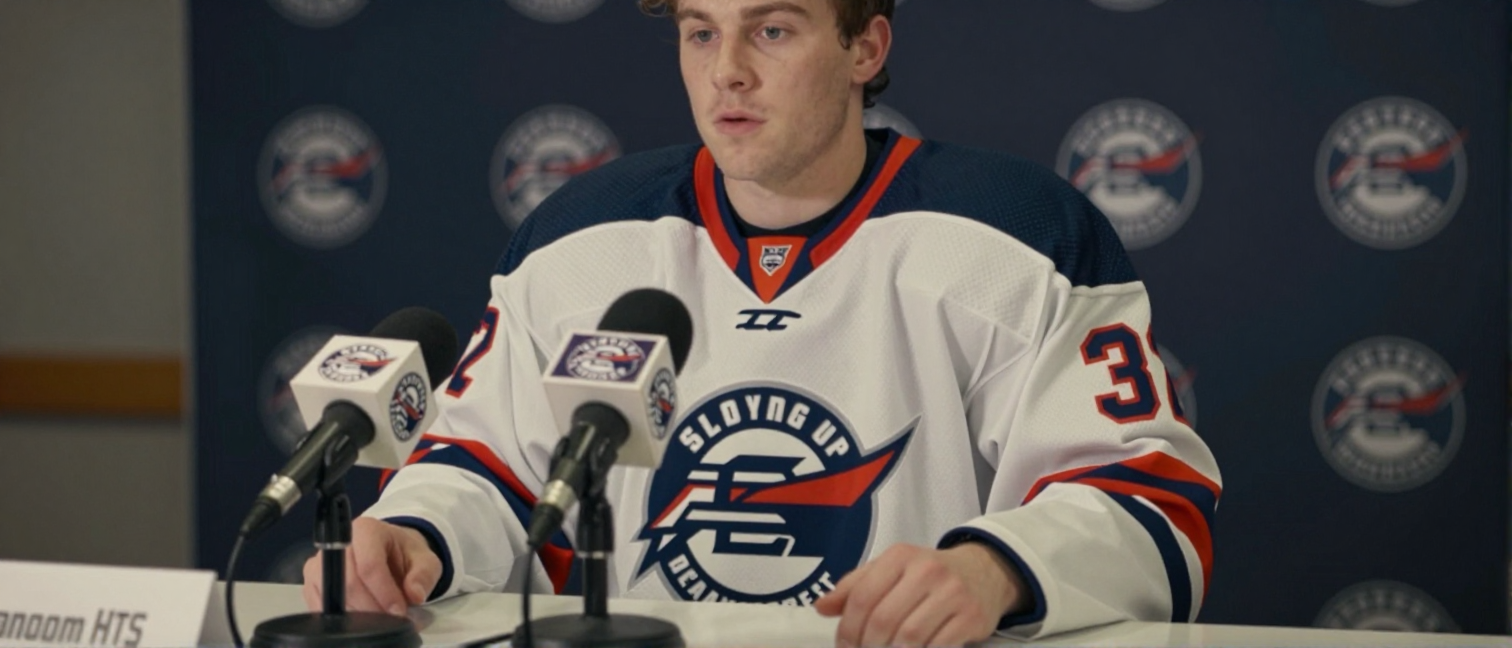
Colorado Avalanche enter the 2026 NHL Draft with a clear mission: add a gritty center and boost physical play across the roster. As of July 9, 2026, the Avalanche sit 1st in the Western Conference with a 55-16 record and a three‑game winning streak, giving them leverage to shape a deeper lineup.
The Avalanche’s first‑round focus lands on Liam Lefebvre, a hard‑charging forward who posted 32 goals and 27 assists in 59 QMJHL games. His blend of size and speed matches the team’s desire for a versatile center who can battle in the corners and drive the net. If Lefebvre disappears before the pick, Colorado’s backup plan points to Alessandro Di Iorio, whose vision and shot could translate well to the Avalanche’s fast‑paced system.
At 74th overall, Lucas Ambrosio emerges as a defensive‑oriented defenseman with a large frame and solid skating. He logged strong zone coverage in the OHL and showed the ability to win battles along the boards. Colorado’s need for a sturdier, more physical presence on the back end makes Ambrosio a logical addition, especially as the team looks to tighten its penalty kill.
The third‑round selection of Sawyer Dingman offers raw size—6‑foot‑4, 225 lb—and a north‑south game that can develop into a power‑forward role. Ranked 145th among North American skaters, his physicality could complement the Avalanche’s top‑six talent. In the fourth round, Giorgos Pantelas provides a two‑way defensive prospect with decent skating, though he must sharpen decision‑making under pressure before becoming NHL‑ready.
General manager Joe Sakic has turned recent trades—sending Ross Colton and Isak Posch to Nashville for third‑round picks and moving Valeri Nichushkin to Columbus for three selections—into a deeper pool of assets. Those moves give Colorado flexibility to address depth concerns without sacrificing core talent. The ten picks this year, ranging from 43 to 222 overall, give the Avalanche multiple chances to find a player who can slide into the lineup and contribute within a season or two.
Adding a physical center like Lefebvre or Di Iorio could relieve the burden on Nathan MacKinnon and help balance the top line’s workload. Strengthening the blue line with Ambrosio and Pantelas adds depth behind Cale Makar, allowing the team to rotate more effectively during the grueling schedule. If Dingman matures into a power forward, Colorado gains a new dimension on the forecheck, aligning with their aggressive, north‑south style.
Success will be measured by how quickly these prospects integrate into the AHL affiliate and whether they can earn call‑ups during injuries or slumps. The Avalanche’s scouting department will track each player’s development metrics—skating speed, puck possession under pressure, and physicality in games—to decide who earns a spot on the NHL roster. The ultimate goal: keep the team competitive while maintaining the depth needed for a deep playoff run.